

Sustainable Water Resources Management and Dams
Dams play a key role in water management as structures used to store, direct and control water resources and are built for purposes such as flood control, increasing water supply, energy production, irrigation and flood control.
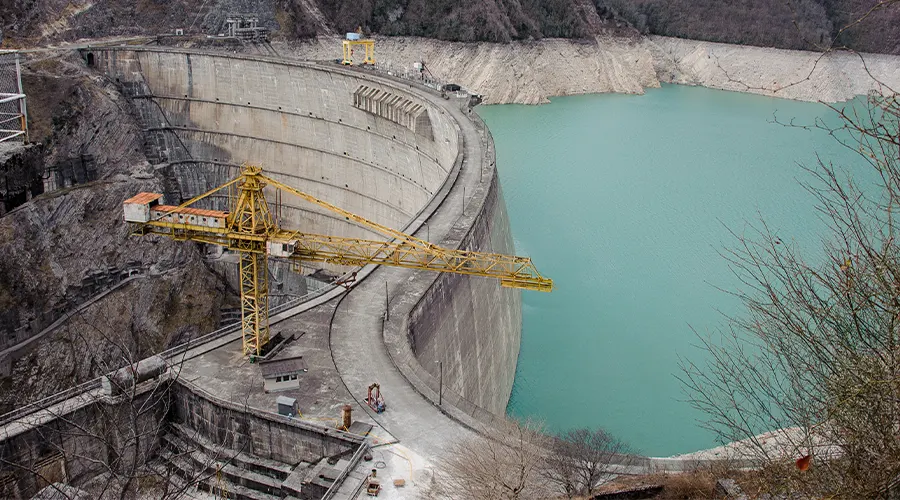
Water is the fundamental source of life, and sustainable water resources management plays a critical role in maintaining natural balance. In this context, dams are used as an important tool and are one of the important elements in sustainable water resources management.
Sustainable Management of Water Resources:
Sustainable water resources management is an approach designed to effectively protect, use and reuse water. This aims to both maintain ecological balance and ensure that water resources meet people's needs. In this context, dams play an important role in managing water effectively and balancedly.
The Role of Dams in Sustainability:
Dams play a key role in water management as structures used to store, direct and control water resources. Dams are built for various purposes such as flood control, increasing water supply, energy production, irrigation and flood control. This ensures sustainable management of water and helps to use water resources effectively.
Management of Environmental Impacts:
The construction and operation of dams also brings environmental impacts. These impacts may include alteration of ecosystems, habitat loss, water quality changes, and potential impacts on ecological balance. Sustainable water resources management requires careful assessment and mitigation of these impacts. In this context, taking into account the environmental effects of dams, appropriate measures should be taken to protect natural life and improve ecosystems.
Social and Economic Contributions:
By ensuring the effective use of water resources, dams meet the water needs of societies and contribute to economic development in areas such as agriculture, energy production and drinking water supply. At the same time, dams can help raise public awareness about water management and distribution, thus raising social awareness for sustainable use of water resources.
Conclusion:
Sustainable water resources management requires a comprehensive approach to water conservation, use and reuse. In this context, dams contribute to the effective management of water resources as an important tool. However, the environmental, economic and social impacts of these structures should be carefully evaluated and operated in accordance with sustainability principles.